
Diabetes is a chronic illness which can trigger many complications. It affects more than one-quarter of American seniors. According to a worrying statistic that ranges from 10 to 15% sufferers of diabetes are afflicted by foot and leg ulcers. These seemingly innocuous wounds, if left unattended, may escalate to a point where diabetic foot amputation becomes an unfortunate reality. Over 80 percent of all amputees are the result of foot ulcers. This is a clear indication of the importance of preventive care and a thorough treatment.
Diabetes management is a complex issue that requires a holistic strategy that goes beyond the control of glucose. For this reason, daily foot care is vital in preventing diabetic-related amputations.
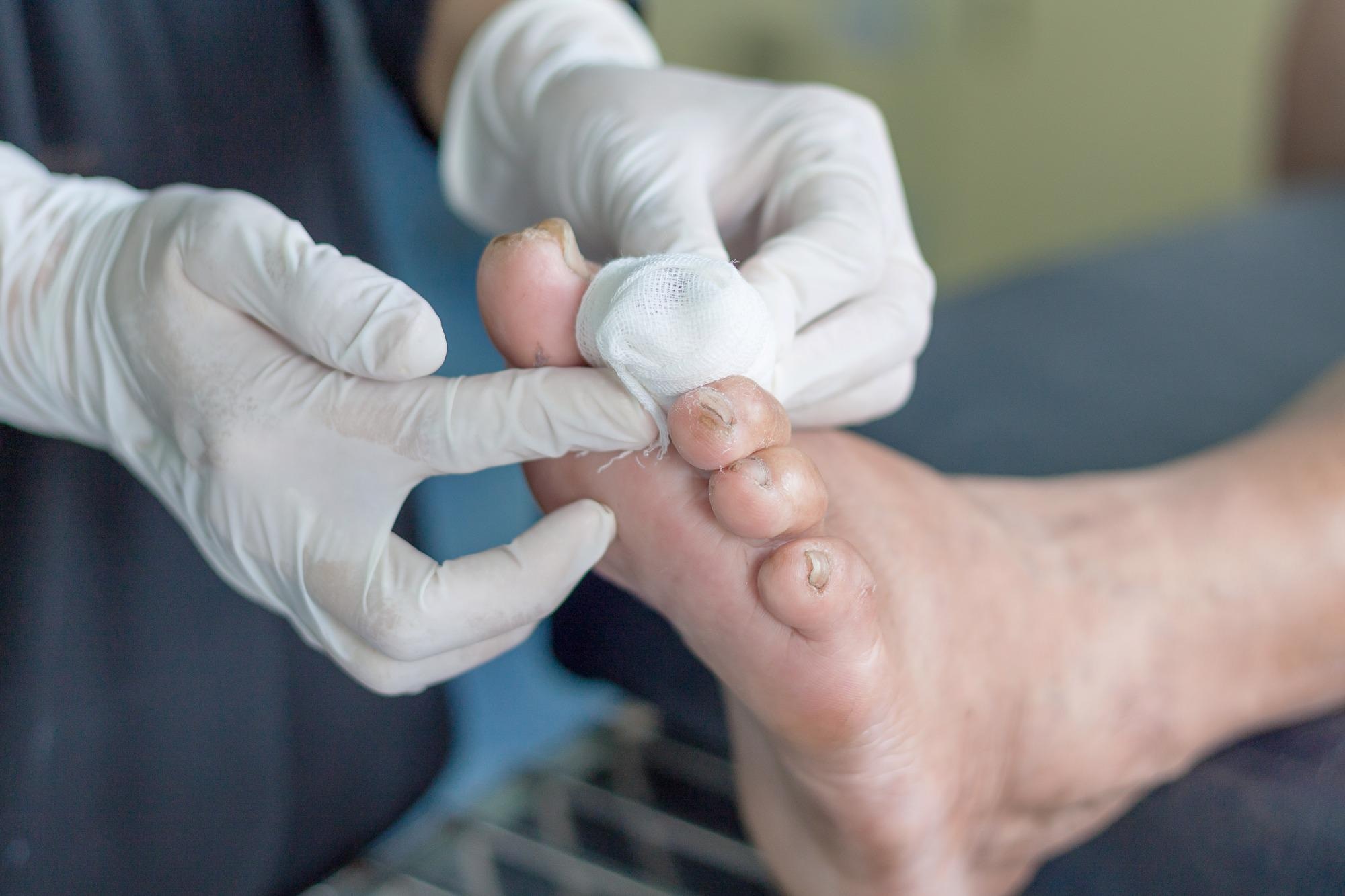
Understanding the Landscape
It is difficult to navigate the complex realm of diabetes-related complications. The high incidence of foot and leg ulcers among diabetic individuals highlights the need for heightened awareness and proactive care. The statistics are stark, and it is evident that understanding the complexities of these conditions is essential to fight against the amputation.
The Amputation Conundrum
The threat of amputations casts a long shadow over those grappling with diabetes. It is more than just an issue of statistics. It impacts individuals directly. It’s a long road from a minor injury to the possibility of amputation because of diabetes.
Daily Foot Care: A Protection against Amputation
A daily foot hygiene routine is the foundation for prevention of diabetes-related amputations. It’s not just an every-day foot care routine. It’s also a systemic approach to spot and fix problems before the problem gets worse. This daily routine includes everything from checking the feet for wounds and taking care to moisturize them.
The Function of Vascular Specialists
Vascular specialists don’t manage diabetes directly, but their expertise is vital in reducing complications. To alleviate discomfort in the legs and speed up wound healing, creating optimal circulation of blood is an important aspect of treatment. This collaboration approach has one main goal of reducing the chance of amputations due to diabetes.
Strategies to Prevent Amputation
To navigate the dangers of amputation due to diabetes requires a mixture of sensibility, vigilance and professional intervention. It is vital for people with diabetes to adopt a proactive attitude. Regular checks with healthcare professionals such as vascular specialists can aid in early detection and treatment.
Leg Ulcers and Beyond Leg Ulcers: Triggers to Think About
Leg ulcers, which are often precursors to more severe complications, need attention and understanding. It is crucial to determine the causes that result in leg ulcers. If it’s due to an insufficient circulation or neuropathy or perhaps a combination of these factors, identifying their roots allows to make targeted treatments.
Education as empowerment
It is essential to educate people with diabetes about the risk of developing the disease and how to avoid these risks. Education initiatives, both in healthcare settings and the broader community, can help bridge the gap between knowledge and the need to act. Understanding the potential negative consequences of injuries that seem to be minor could trigger early reactions which could help prevent the amputation of a diabetic foot.
Private Battles and Collective Triumphs
Being able to fight the effects of diabetes isn’t a battle for one person; it’s a collective win. Participating in support networks, whether it’s through medical professionals or community groups, provides a valuable space for sharing experiences, knowledge and strategies for coping. The emotional burden of facing dangers of amputation is immense and a sense of belonging can be a source of comfort and strength.
In the end, the trek through diabetes, leg ulcers, and the looming risk of losing a foot is multi-faceted. Foot care should be the first priority, but the expertise of a specialist in vascular surgery is essential in making sure that there are no complications. Patients with diabetes can lower the possibility of losing a foot by promoting awareness, adopting prevention measures and creating the support system.